
 Hytera IP Connect Multi-Site Repeater Radio System
IP Connect is designed for organizations that operate across a large area or geographically separated locations that exceed the coverage area provided by a single repeater. With Hytera IP Connect, multiple repeater sites can be linked together over a standard IP network, allowing users in different locations to talk over wide areas with ease.
IP Connect allows for connecting multiple DMR Tier II conventional repeaters across dispersed locations using third-party IP networks. That includes wide area networks like the internet, Local Area Networks, VPNs, or microwave links. IP Connect is achieved with a simple license upgrade on the Hytera repeater, so there is no additional radio equipment required.
Cost-Effective Wide Area Connectivity
IP Connect uses an IP Network to connect multiple radio repeaters for greater coverage as well as connecting several radio sites for a larger radio network. Hytera IP Connect offers greater coverage, simple migration, ease of use, and supports instant, real time radio communications across town, across the state, or across the country.
IP Connect Key Benefits
Simple Deployments
IP Connect supports Hytera Repeater connectivity over a variety of widely available IP networks, including the internet, private wide area networks, LANs and VPNs. If the existing repeaters are already Hytera, no new hardware is needed to create this wider area radio network, simply install an IP connect license and configure the repeater.
Local and Wide Area Channel Programming
In a Hytera IP Connect system, Talkgroups can be programmed to call users only on the local repeater, or across the IP Connected multi-site network. This is especially handy for school districts, where each school campus can have its own local repeater communications but are always available to emergency broadcasts or any other calls that need to be heard across all campuses.
Carries True DMR Protocol
Adding Hytera IP Connect to your repeaters carries the DMR protocol. That means your existing DMR radios, regardless of manufacturer, will work on the extended IP Connect radio system for flexible deployments without being locked into proprietary systems.
Convenient and Familiar Operation
Because the IP Connect uses DMR protocol, users do not need to learn a new radio system. Group Calls, Individual Calls, Emergency Call still work as they normally do.
Enhanced Coverage
IP Connect is perfect to add additional coverage to shadowed, or poor coverage areas. Areas like parking garages, below ground floors.
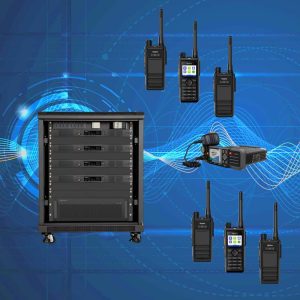 XPT Delivers the Advantages of a Trunked Radio System at a Lower Cost
Developed exclusively by Hytera, the Extended Pseudo Trunking (XPT) system is based on the ETSI DMR Tier II Conventional Standard and adds capabilities normally found in higher cost Tier III trunking systems. XPT makes DMR Tier II repeater systems more efficient to provide more channel capacity and adds valuable new features without the purchase of additional radio infrastructure hardware.
Extended Pseudo Trunk
The XPT system is built from multiple Hytera repeaters at a site connected to each other by a simple network switch. XPT supports a maximum of 8 repeaters per site to provide up to 16 voice channels, supporting over one thousand users. Each traffic channel can be customized to transmit voice or data. XPT systems can also grow beyond the local footprint by connecting distant XPT systems via routed IP connections.
The Benefits of XPT Trunking
It is Easy to Migrate to XPT
Migrating from conventional DMR to XPT trunking is easy, especially if you are currently using Hytera DMR repeaters. XPT is as simple as adding the license to the repeaters, reprogramming the repeater, and adding a network switch for them to communicate. No need for forklift upgrades and completely throwing out the old system simply because of growing communication needs require additional system capacity.
XPT Adds Affordable Trunking Features
The XPT Trunking system allows customers to simulate a trunked radio system within available resources. XPT can trunk all 16 voice channels of a site. Another benefit of not requiring an FCC control channel is that that frequency can be used for voice traffic. This is even more important on smaller systems that may be beginning with two XPT repeaters. Not having to give up a voice channel for a Control Channel allows for maximum efficiency of the radio system. Talkgroups can have access to multiple sites as well. Just like Tier III trunking, XPT allows for multi-site access, multi-site trunking as well as roaming between sites that overlap in coverage.
Does not Require a Dedicated Control Channel
A key advantage of an XPT Trunking system is that it enables efficiencies and dynamic channel allocation with less hardware and without an expensive Control Channel frequency. Unlike Tier III DMR Digital Trunking, XPT DMR Tier II Trunking does not use a dedicated Control Channel with an FCC FB8 control channel frequency that has guaranteed availability because it needs to be operational all the time to manage all the other channels on the system. This dedicated FB8 control channel requires a special FCC license, which is expensive and difficult to get in high-density metropolitan areas. This could be a non-starter for any new Tier III trunking systems. XPT uses a series of beacons sent by each repeater to optimize channel usage and keep the radios in the field informed of system status.
XPT is Easy to Operate
Because XPT trunking is based off the DMR Tier II standard, operation is familiar with little interaction needed from the end user. Switching Talkgroups is as easy as changing the channel knob on the radio. No need to figure out the correct repeater to use, or where the rest of your Group is. XPT takes care of that on the backend keeping you in touch with your people with reliability and confidence.
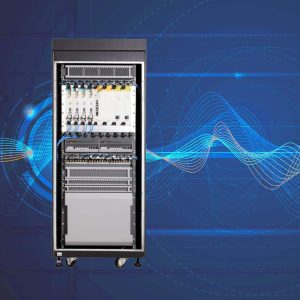 Hytera DMR Tier 3 Radio Trunking Systems
Trunked Radio systems optimize voice or data traffic through a limited number of frequencies, maximizing the available resources for a large group of users. DMR Tier III Trunked Radio utilizes repeater technology with a dedicated control channel, managed by a server. The Hytera DMR Tier III Trunking has been developed using the ETSI DMR open standard. It is an IP-based Digital Trunking System designed to provide voice, dispatch, and radio management capabilities across wide geographic areas.
DMR Tier III provides a dedicated FCC FB8 frequency control channel for radios to register and request service from the network. The remaining channels in the system are allocated to the radio as they are needed and are therefore a shared or “trunked” resource called a “traffic channel”. As soon as a traffic channel is available, a user will be assigned to use the channel, without having to wait for a specific channel to become available.
The Hytera DMR Tier III Trunking solution consists of a central controller called a Mobile Switching Office (MSO), a Base Station Controller Unit (BSCU) at each radio site, multiple repeaters to carry the traffic, and a wide area network that connects all the different pieces together. IP connectivity is provided by a variety of third-party internet, LAN, or VPN network operators.
DS6210 DMR Tier III System
The DS6210 DMR Tier III Pro has blade architecture for easy installation and system scalability. It accommodates redundant controllers and power supplies in the same cabinet for immediate fail-over in the unlikely event of a blade card failure. The system is supplied in fully configured cabinets ready for final site installation. The DS6210 DMR Tier III Pro repeater site channels have triple receive diversity to enhance the uplink receive signal for all field radios, and improves the uplink reliability for portable radios at the edge of coverage.
DS6211 DMR Tier III System
The DS-6211 DMR Tier III Lite system uses Hytera HR1062 H-Series repeaters with Tier III licenses to reduce the cost compared to the DS6210 DMR Tier III Pro solution. The DS-6211 DMR Tier III Lite system supports all the same feature-rich functionality of the DS-6210 except for the triple diversity. Using standard 19” rack equipment, the DS-6211 DMR Tier III Lite systems provides the ability to install the equipment in standard system racks for additional deployment flexibility.
Key DMR Tier III Trunking System Benefits
Dedicated Management Channel
DMR Tier III trunking increases efficiency of channel usage with large groups of radios users using a dedicated control channel, managed by a server. This allows for maximizing channel frequency resources for high-volume call traffic and multiple user Talkgroups.
System Security
Some applications require a higher level of security for accessing the network, for those we offer ESN check (electronic serial number), authentication (both device and mutual), stun/revive (for a misplaced unit to still be able to be tracked), kill (completely disabling a stolen unit) and encryption.
Radio Management and Calling Features
The Hytera DMR Tier III System offers a multitude of different management services to allow radios to interact with the network. Radios are registered on the network for identification and can be configured with subscriber area restrictions and control channel reselection.
Two-Way DMR radios on a DMR Tier III system support voice and data services. The system provides standard voice services such as individual or private calls, group, emergency, broadcast, all call (this is a system wide call to everyone on the network), dispatcher, and and telephone calls. Data services include text messages, GPS data, status message (pre-configured messages), and emergency alarms. Additional radio features support on DMR Tier III systems include late entry into a group call, ambience listening, interrupt/override, dynamic group number assignment, voice recording, remote monitor, OTAP (Over the Air Programming), vote now, and group patching.
Mission Critical Redundancy
The system has several redundancy mechanisms available to ensure trouble-free operation and service to the end user. Considering that the MSO is the heart of the system, it supports local and geographical redundancy mechanisms to ensure continuous wide area operation. Other controller hardware can also be used in redundant configurations with several failsafe modes. All these configurations are scalable and can be adjusted at any time during the lifecycle of the system. So, you can start small and add redundancy as your system grows.
System Interoperability
Third party integrators can use the standard DMR AIS interface and the Hytera API for integrating dispatchers, vehicle location tracking systems and billing systems.